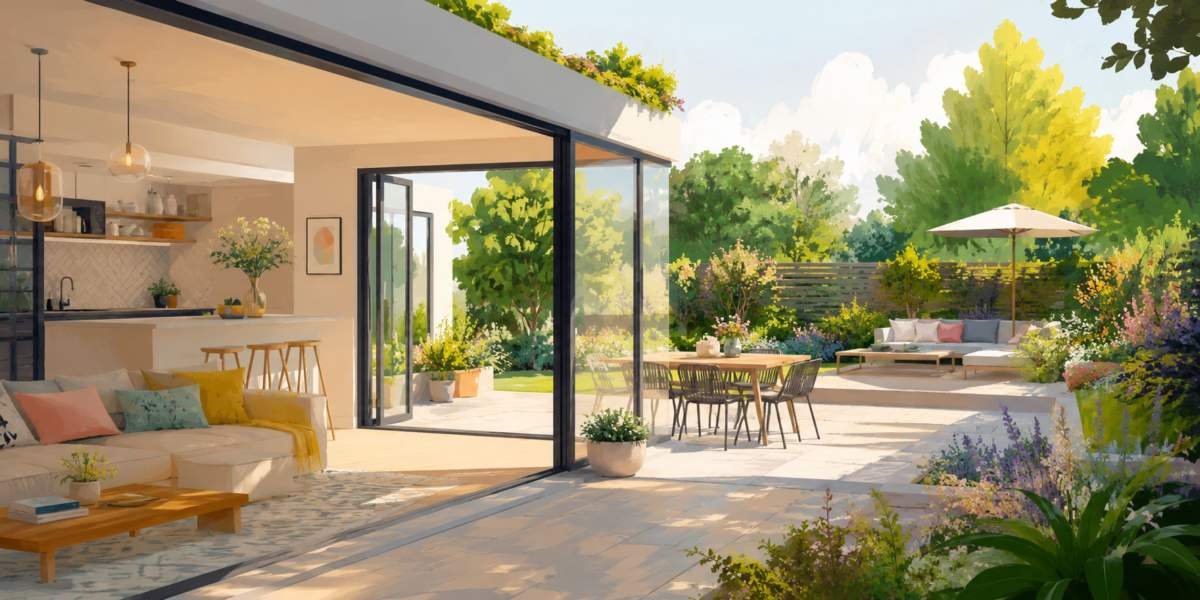
A strong renovation looks beyond walls, floors, kitchens, and bathrooms. It asks how the home works as a whole, including the space just outside it. When indoor and outdoor areas are planned together, the result can feel generous, practical, and calmer without necessarily adding a huge amount of square footage. A house that connects well to the garden often feels larger because the eye, the body, and the daily routine all travel further.
Why the Garden Should Be Part of the Brief
Many renovation plans treat the garden as something to worry about once the dust has settled, the builders have gone, and everyone has remembered what the dining table used to look like. That approach usually creates missed opportunities. A new extension, for example, can transform the way a room meets the outdoors, but only if the patio, planting, steps, drainage, and views are considered early.The position of doors matters. So does the level change between inside and outside. A beautiful set of glazed doors leading to an awkward drop, a muddy corner, or a lonely paving slab can feel less like luxury and more like a mild obstacle course. Good planning makes movement easy, whether someone is carrying coffee, cushions, or a suspiciously overloaded barbecue tray.
Glazing That Does More Than Look Expensive
Large windows, rooflights, sliding doors, and bi-fold doors can all help draw the garden into the home. The aim is not simply to install as much glass as possible, as though the house is applying to become a greenhouse. Thoughtful glazing frames views, improves daylight, and creates a stronger sense of connection between rooms and outdoor areas.The best results usually come from matching glass placement to real life. Where does the morning light fall? What view do you want from the kitchen sink? Will the room overheat in summer? Is privacy needed from neighbours? These questions may seem less exciting than choosing handle finishes, but they have far more influence on daily comfort.
Patios, Paths, and the Art of Not Wasting Space
A patio should feel like a natural continuation of the home, not a stranded island of furniture. Its size, shape, and position should relate to the rooms beside it. A dining area near the kitchen makes sense. A quiet seating spot may work better slightly away from the house, especially if the view improves there.- Use similar flooring tones inside and outside to create visual flow.
- Plan enough space for chairs to move without scraping against walls, pots, or ankles.
- Think about shade, wind, and drainage before choosing the final layout.
Landscaping That Completes the Renovation
Landscaping is often viewed as the finishing touch, yet it has the power to determine whether a renovation feels complete or unfinished. Freshly renovated interiors can lose some of their impact if every window overlooks uneven lawns, tired fencing, or planting beds that appear to have been forgotten sometime around the previous decade. Fortunately, creating an attractive garden does not always require extensive excavation or extravagant features. Careful planting, well-defined borders, and thoughtfully positioned trees can transform the atmosphere without overwhelming the space.The relationship between house and garden also benefits from repetition. Using similar colours, textures, or materials both indoors and outdoors creates continuity. Timber details, natural stone, or complementary paving can encourage the eye to move comfortably between spaces. It feels less like walking from one environment into another and more like progressing through different chapters of the same story.
Lighting That Extends the Evening
Outdoor lighting is frequently underestimated. Many gardens receive a single bright security light capable of illuminating neighbouring postcodes while leaving the seating area looking strangely dramatic. A layered lighting scheme creates a far more welcoming environment.Soft illumination along pathways improves safety. Uplighting can emphasise attractive trees or architectural features, while subtle lighting beneath seating or steps introduces depth without becoming distracting. When viewed from inside during darker months, a gently lit garden also makes interior rooms feel larger because the eye continues beyond the glass rather than stopping at a black reflection.
Carefully selected lighting encourages people to spend longer outdoors throughout the year. Even cooler evenings become more inviting when the space feels warm and comfortable rather than forgotten after sunset.
Designing for Every Season
Successful outdoor spaces are not reserved for a handful of perfect summer afternoons. They are designed to remain useful across changing weather conditions. Covered seating, pergolas, sheltered dining areas, and carefully positioned planting can reduce exposure to both strong sunshine and unexpected showers.Storage deserves attention as well. Outdoor cushions, gardening tools, children’s toys, and barbecue equipment all need sensible homes. Without storage, even the most elegant garden can develop a remarkable ability to collect clutter almost overnight. It is one of nature’s lesser-known talents.
Flexibility is equally valuable. Spaces that comfortably support family meals, quiet reading, entertaining friends, or children’s play adapt more successfully as lifestyles evolve. Renovations with this level of foresight continue delivering value long after the final tradesperson has packed away their tools.
Growing Into Something Better
The finest home renovations recognise that living does not stop at the back door. By treating the garden as an extension of the home’s everyday experience, rather than a separate project for another year, homeowners can create spaces that feel larger, brighter, and considerably more enjoyable. Strong connections between interiors and outdoor areas improve movement, encourage more time outside, and make every square metre work harder. When the house and garden are planned as partners instead of strangers, the renovation continues delivering satisfaction every time someone steps outside—and occasionally remembers they left the tea on the kitchen counter.Article kindly provided by homerenovationserviceslondon.co.uk